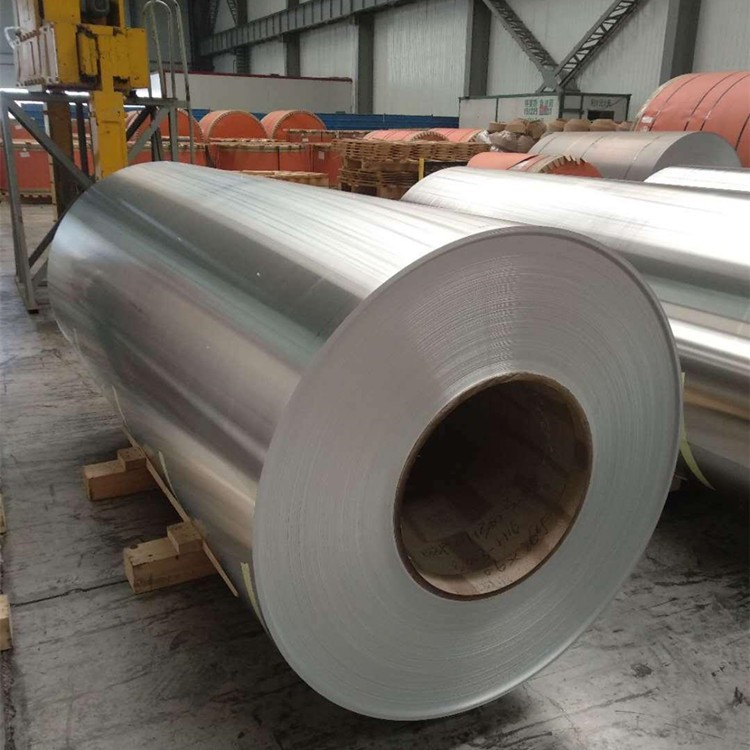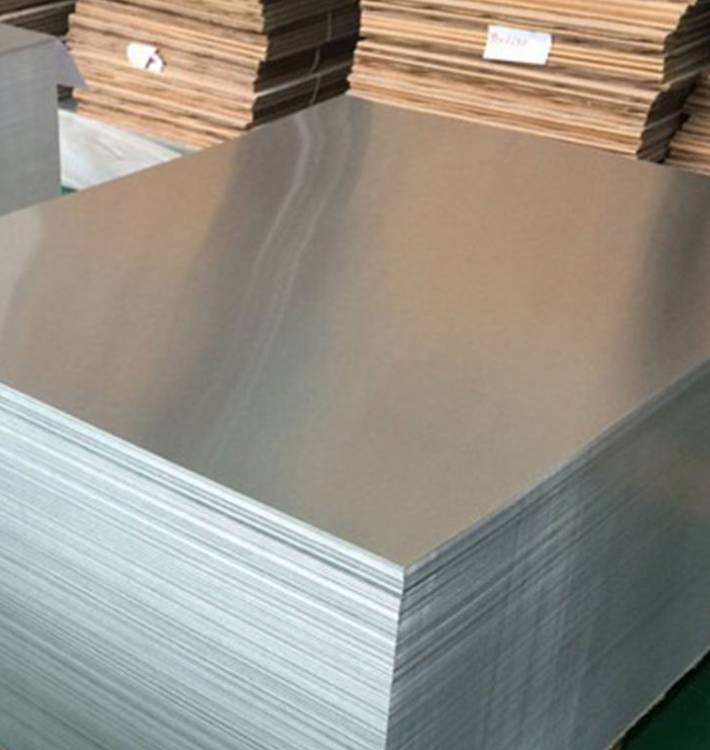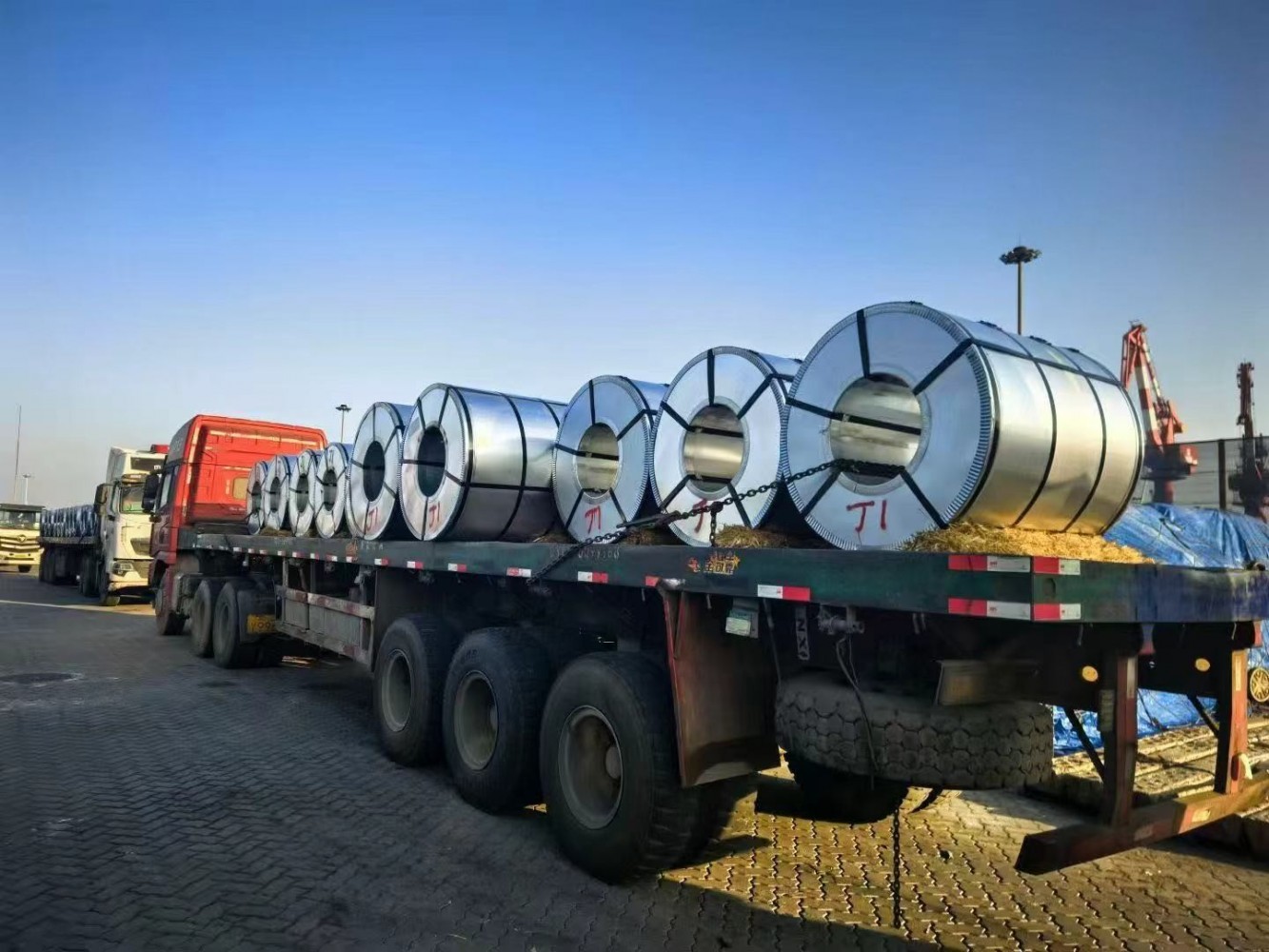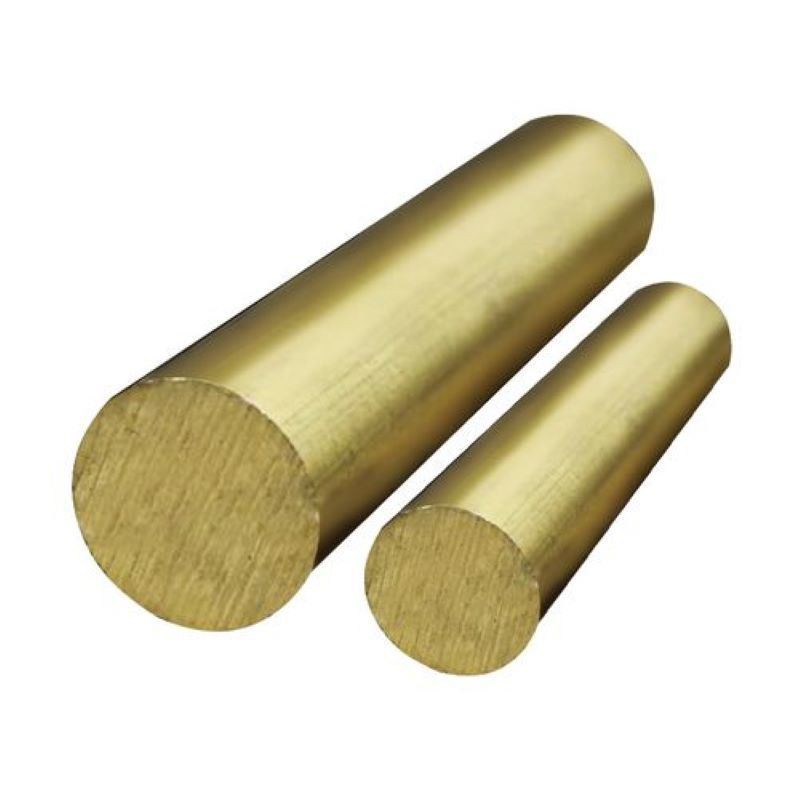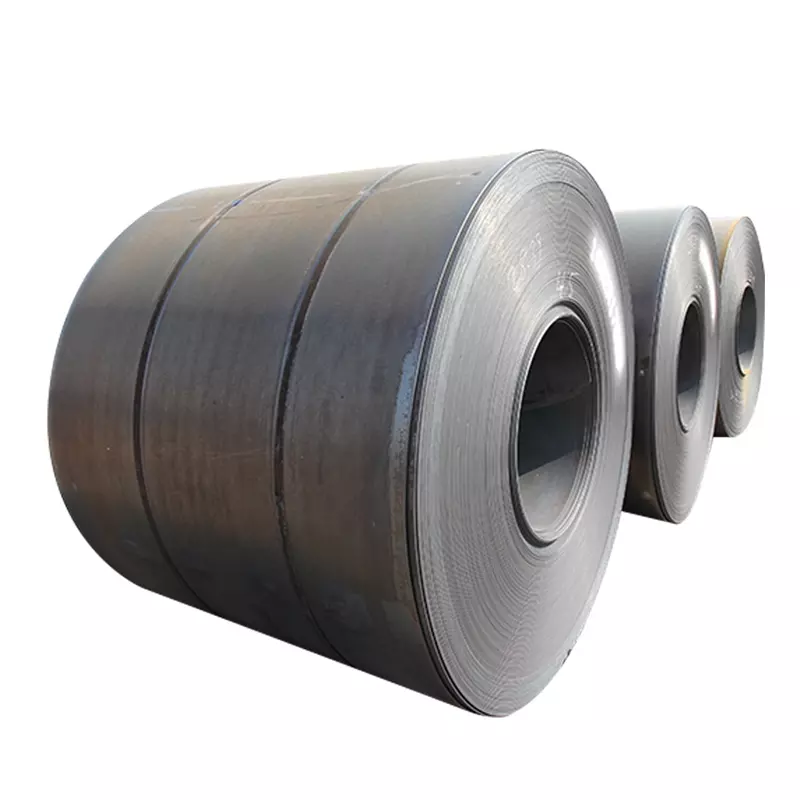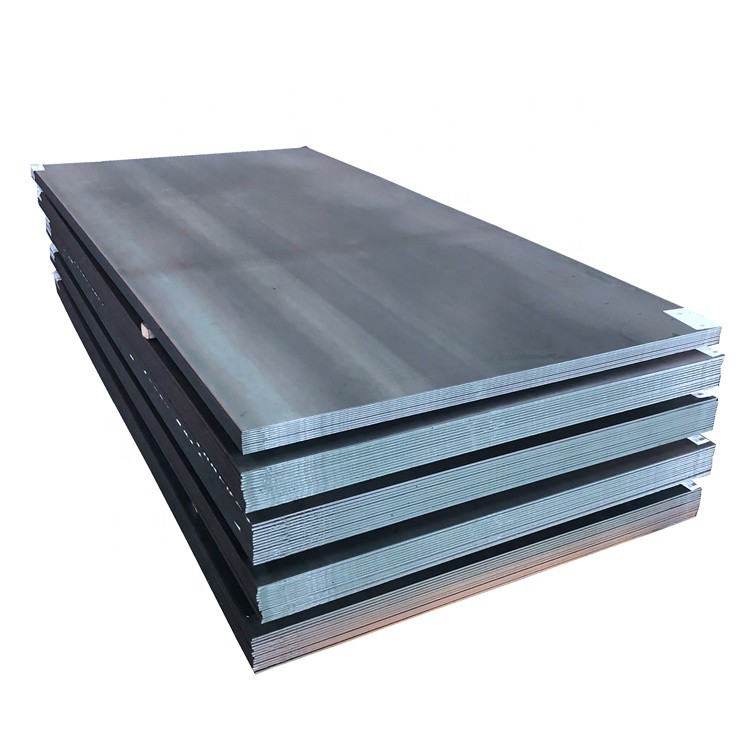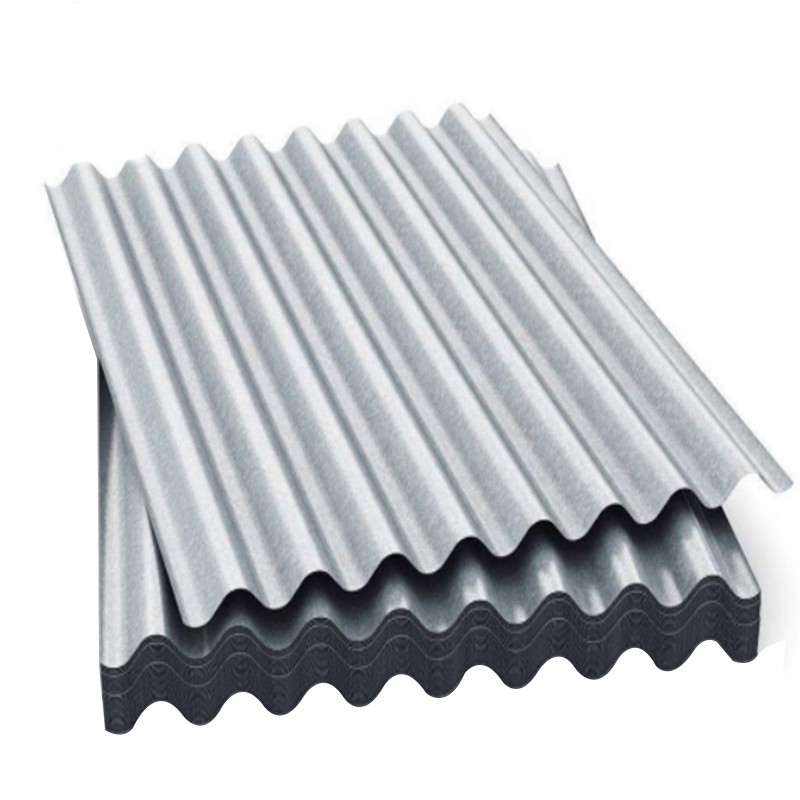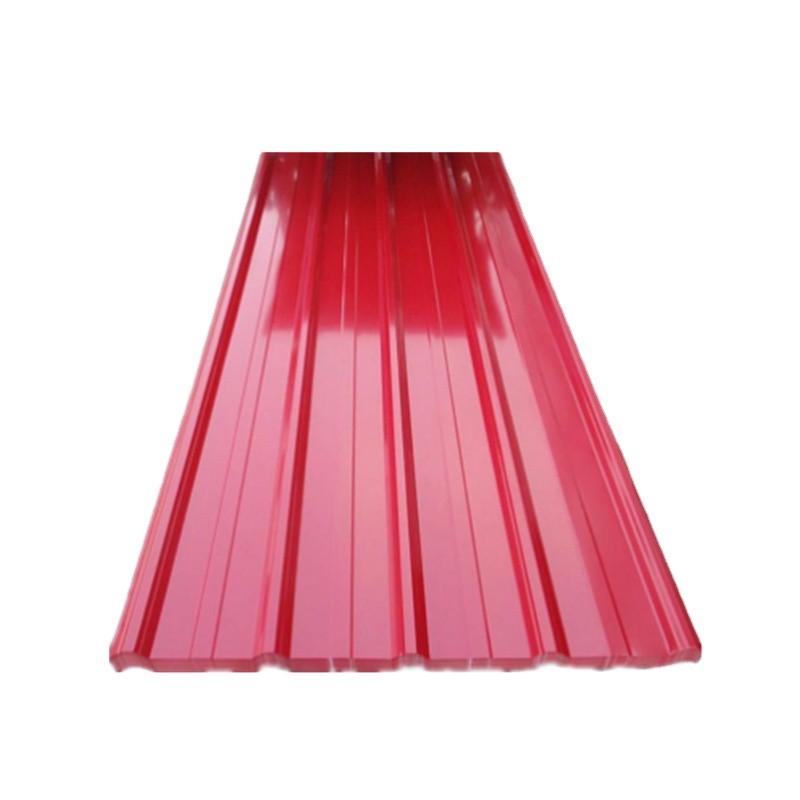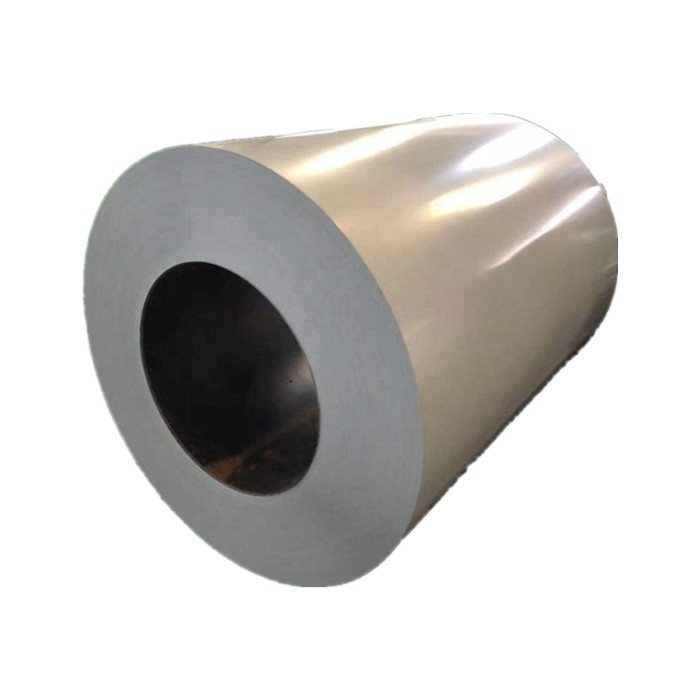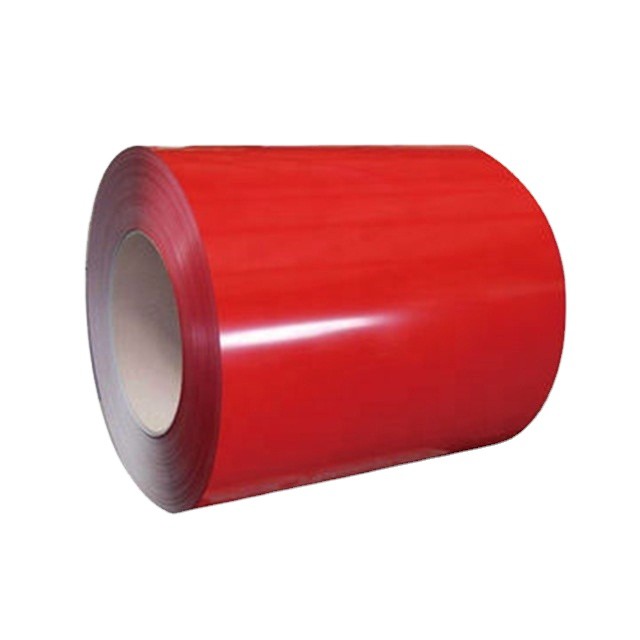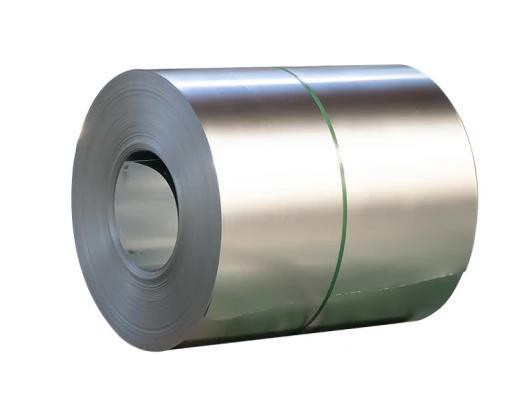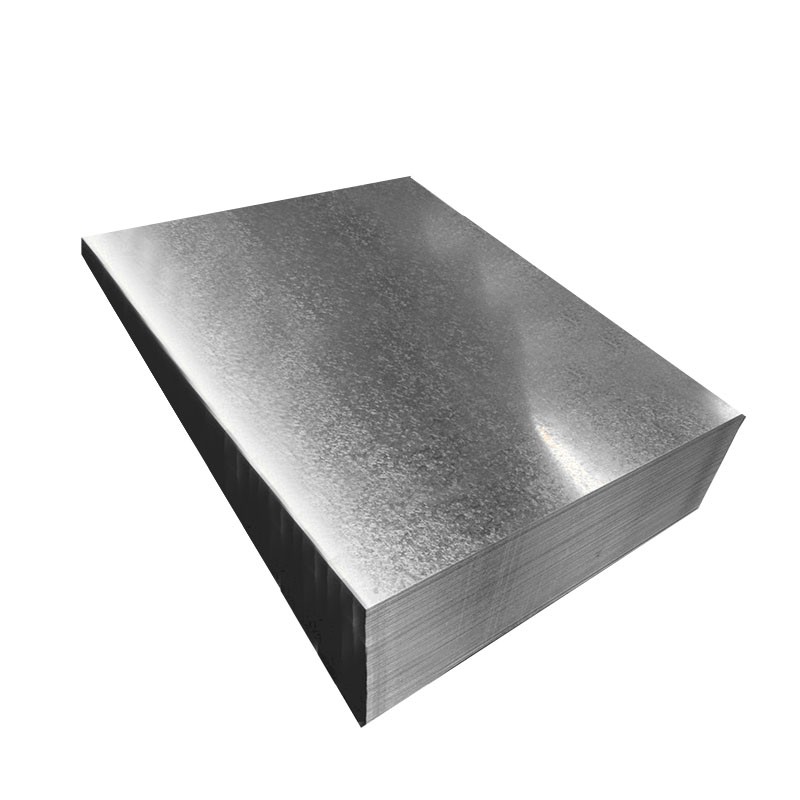

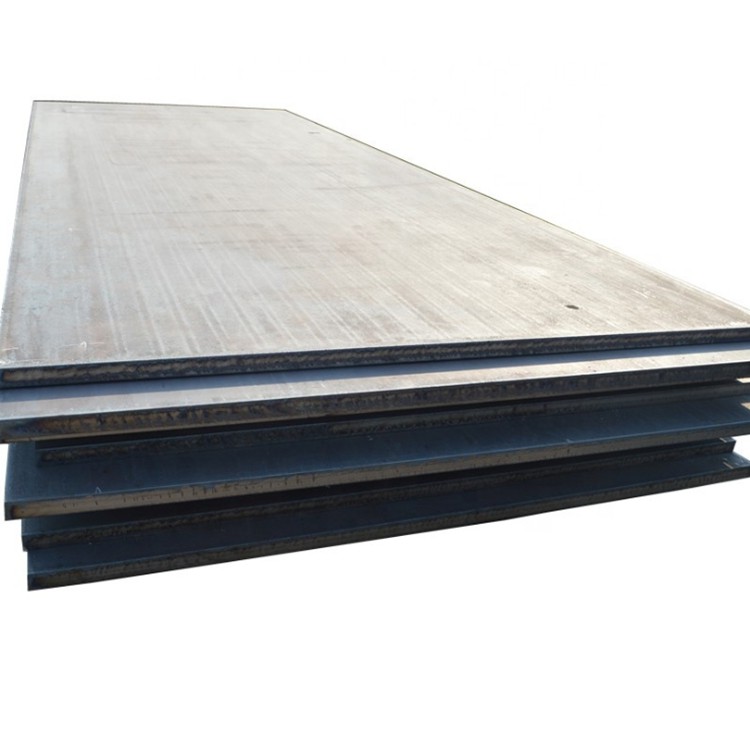

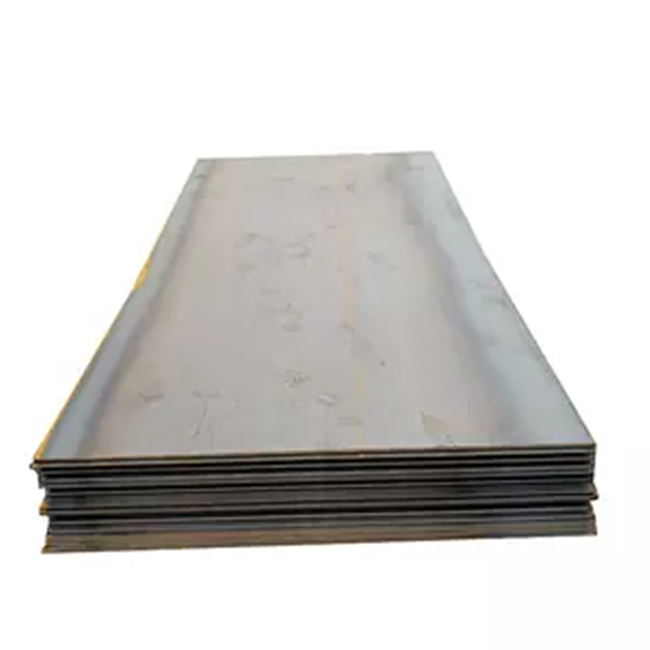
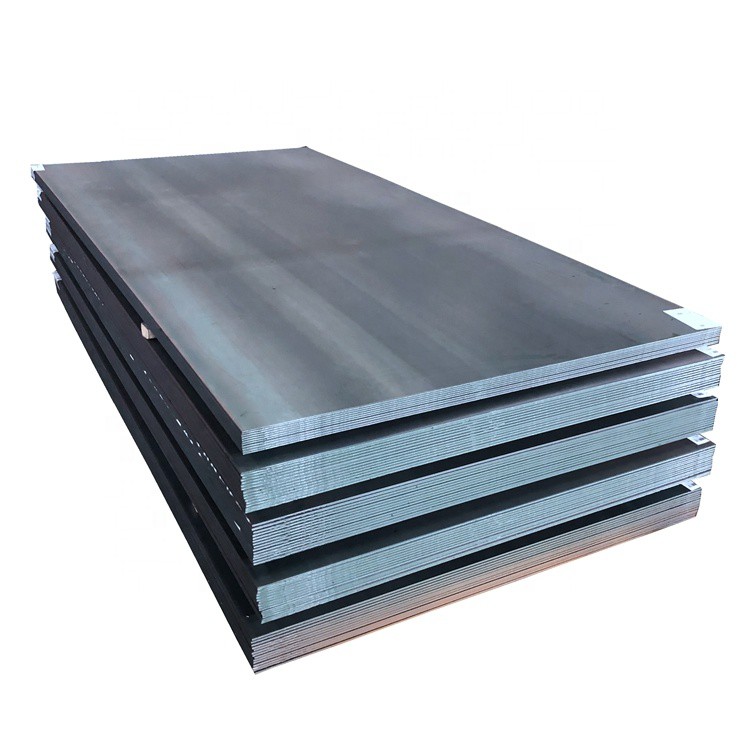
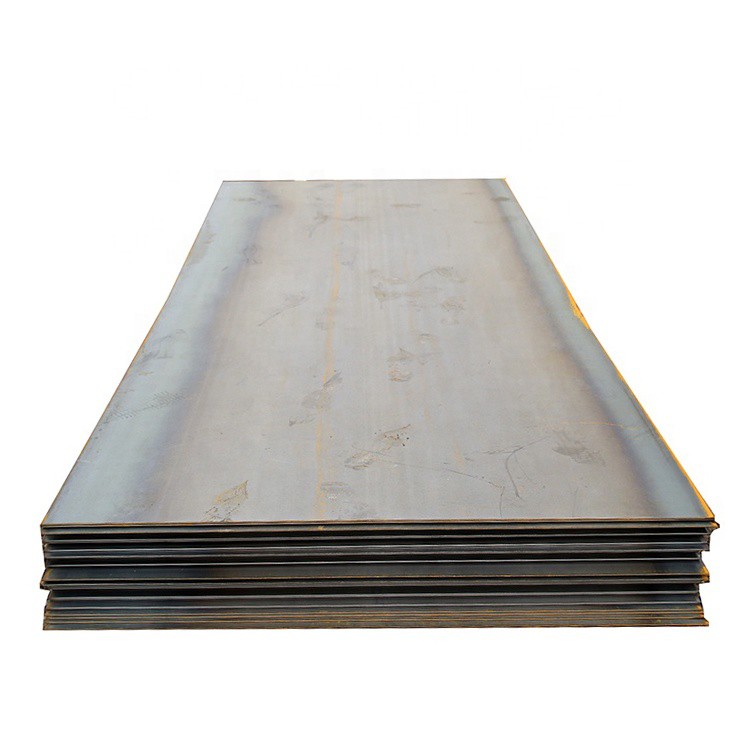
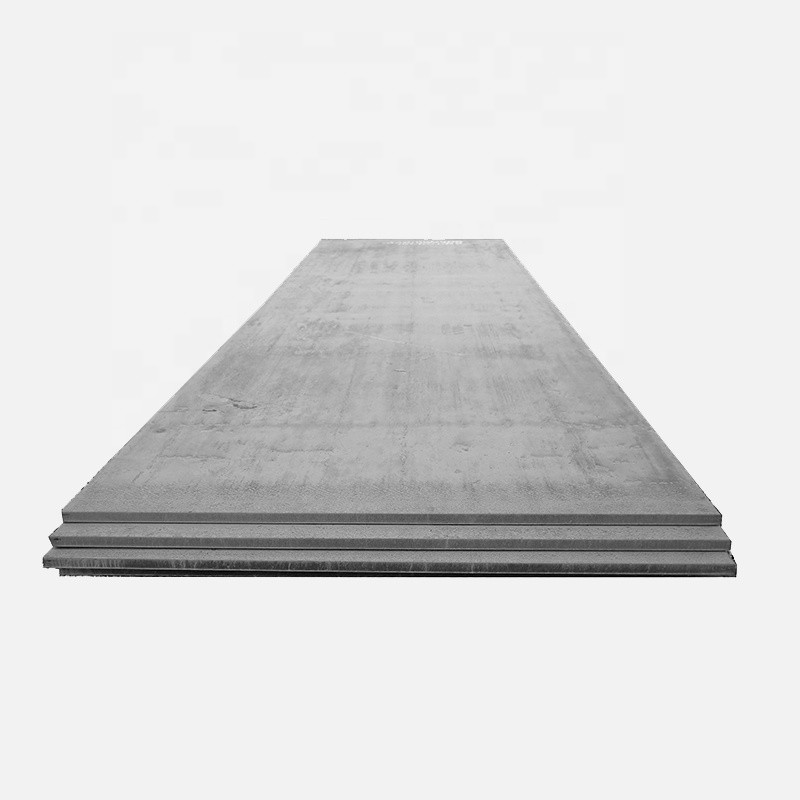
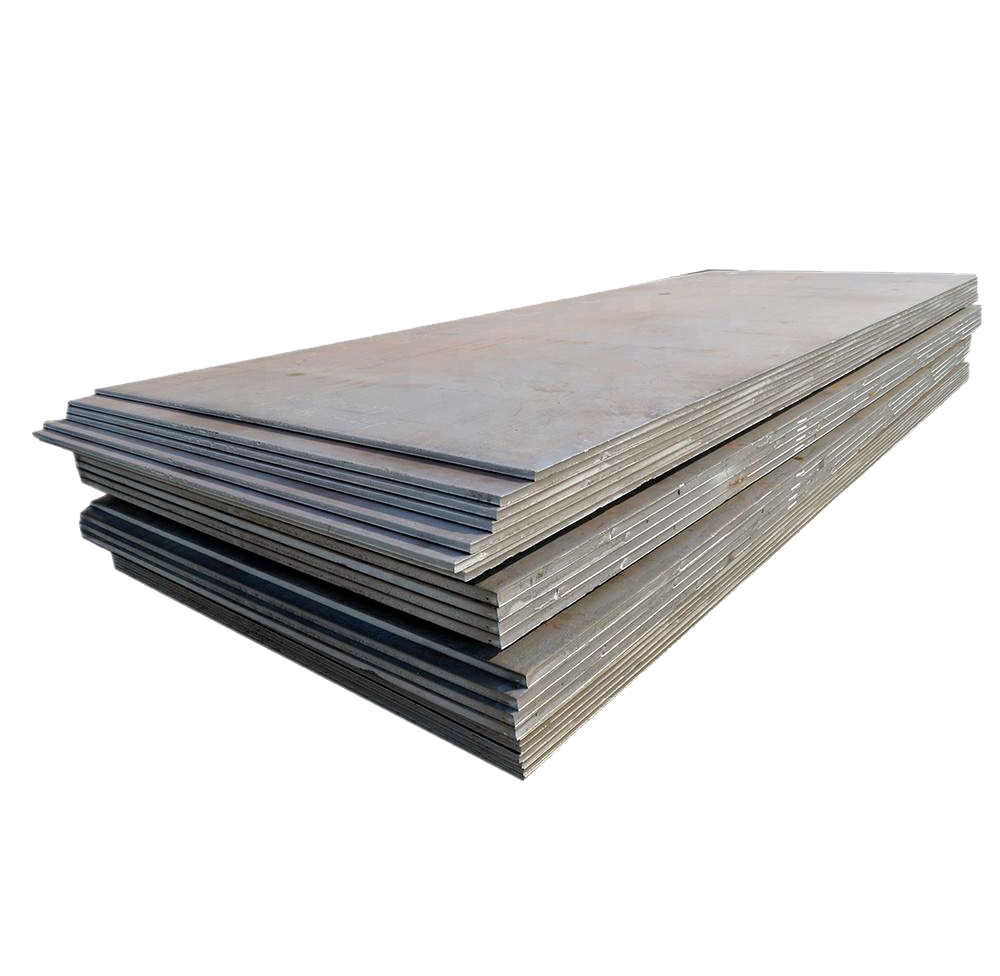
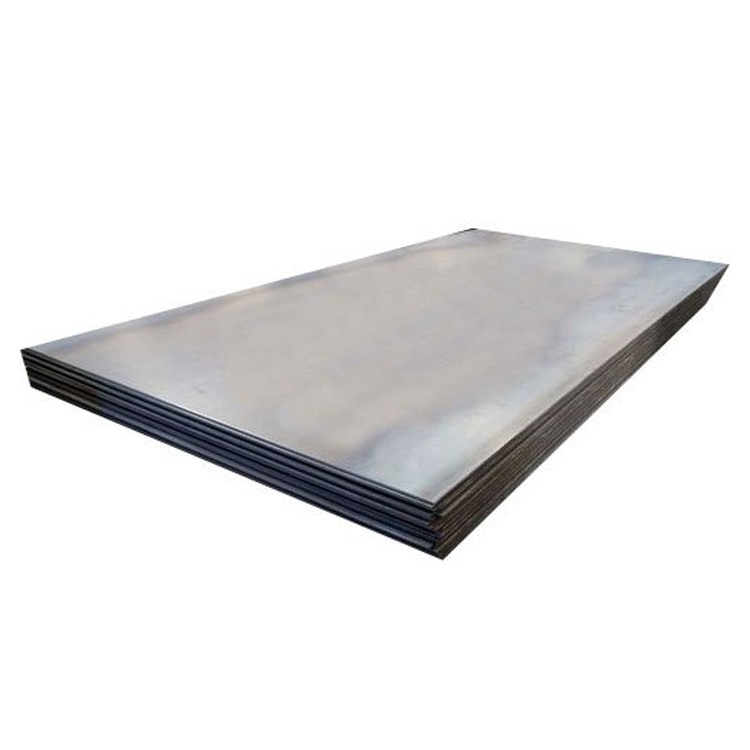
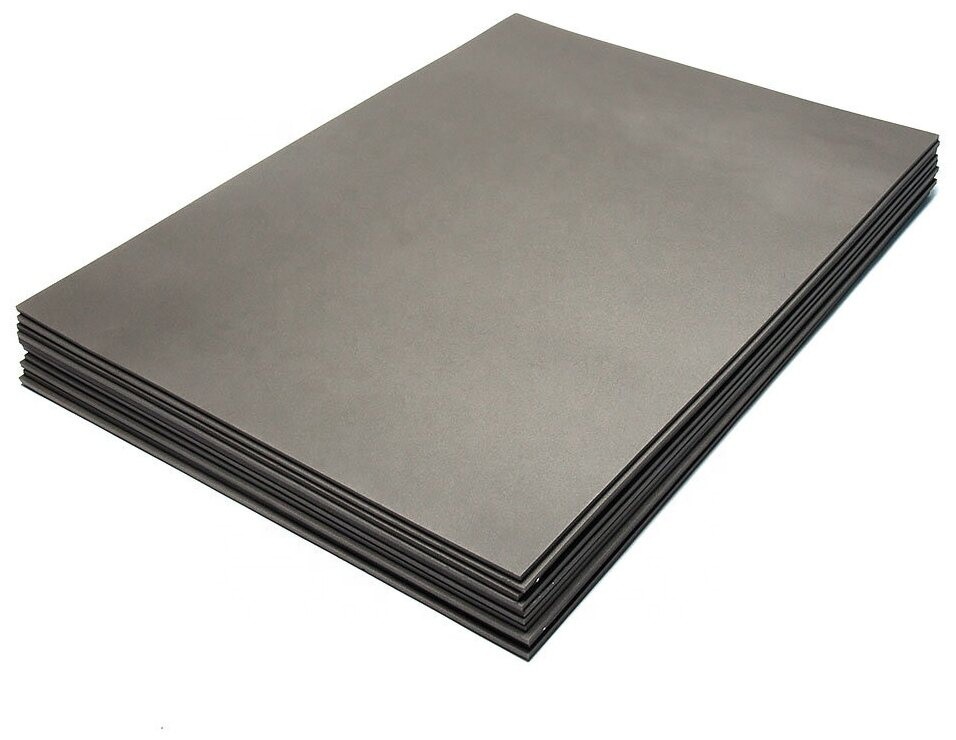
Carbon steel, refers to iron-carbon alloys with carbon content below 2% and 11%. Carbon steel is divided into carbon structural steel, carbon tool steel and free-cutting structural steel. Carbon structural steel is divided into engineering construction steel and mechanical manufacturing structural steel; according to the smelting method, it can be divided into open hearth steel and converter steel; according to the deoxidation method, it can be divided into boiling steel (f), killed steel (z), semi-killed steel (b) ) and special killed steel (TZ); (4) According to the carbon content, carbon steel can be divided into low carbon steel (WC≤0.25%), medium carbon steel (WC 0.25%-0.6%) and high carbon steel (WC> 0.6%).
Mainly include: pig iron, carbon structural steel, high-quality carbon structural steel, low-alloy structural steel, alloy structural steel, spring steel and bearing steel, tool steel, stainless steel and heat-resistant steel.
Widely used in construction, bridges, railways, vehicles, ships and various machinery manufacturing industries, and also widely used in modern petrochemical, marine development, etc.
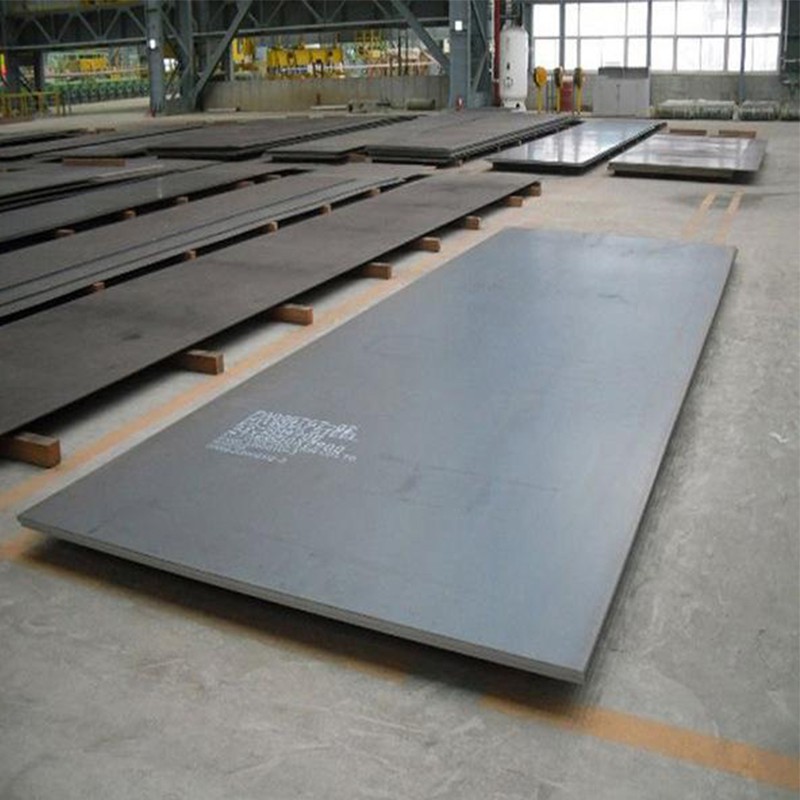
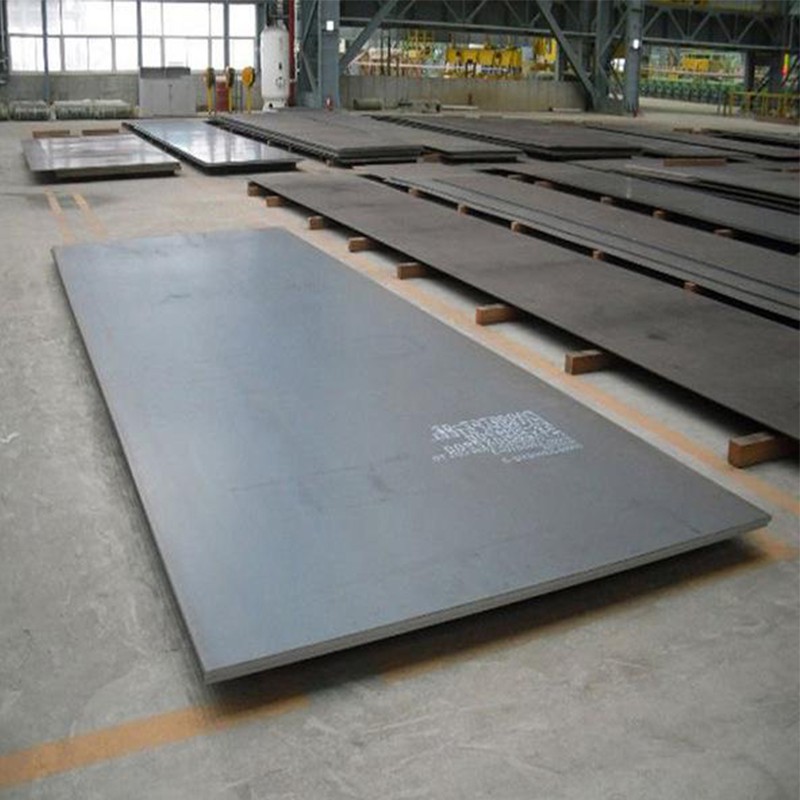
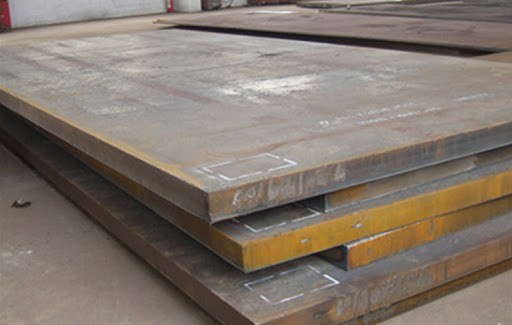
Product Name | Q235 Q195 Q345 ST S355 Carbon Steel Plate |
Length | 1m-12m or as required |
Width | 0.6-2m or as required |
Thickness | 0.12-20mm, 0.8mm-300mm or as required |
Standard | API 5L, ASTM A53-2007, ASTM A671-2006, ASTM A252-1998, ASTM A450-1996, ASME B36.10M-2004, ASTM A523-1996, BS 1387, BS EN10296, BS6323, BS 6363, BS EN10219, GB/T 3091-2001, GB/T 13793-1992, GB/T9711 |
Grade | 10#-45#, 16Mn, A53-A369, Q195-Q345, ST35-ST52 |
Technique | Hot roll, cold roll, cold drawn, ect. |
Processing method | Bending, Welding, Decoiling, Cutting, Punching, Polishing or as customer's request |
Thickness tolerance | ±0.1mm |
Material | Q345,Q345A,Q345B,Q345C,Q345D,Q345E,Q235B |
MOQ | 25 tons (We can provide free sample) |
Shipment time | Within 15-20 workdays after receiving deposit or L/C |
Export packing | Waterproof paper, and steel strip packed. |
Supply Ability | 2000 tons / month |
Product Advantages
1.Improve performance, higher hardness and better wear resistance can be obtained after heat treatment.
2.The hardness in the annealed state is very moderate, and it also has good machinability.
3. The raw materials are very common and the production cost is low.
4. The smelting process is simple, easy to smelt, and the dosage is large.
5. Wide performance range, good pressure processing and machining performance.